ASMMUN GAZETTE
  • Home
  • Articles
    • Committee Topics
    • Interview
    • non-committee articles
  • Photography
    • Videos
  • About us

Chairs on MUN

11/12/2021

0 Comments

 
Picture

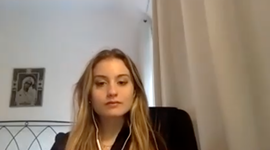
Teresa Carvalho 
Q: What committee are you chairing and what topic are you debating?
A: “I’m the human rights committee chair and right now we are dealing with the Afghanistan Humanitarian crisis.”
Q: What do you hope to achieve as a chair from this year’s conference?
A: “Well, obviously a good resolution, but I think most of all I would like to see the delegates from my committee satisfied with the debates and confident with their skills and improvements achieved throughout the conference."

Picture
Emma Fiorina
Q: What committee are you in and what topic are you debating?
​A: “I’m Emma Firoina and I’m the chair for the Environmental Committee and we are discussing the issue of ‘Covid-19 changes related to fossil fuel use in efforts to stymie climate change’ and on Saturday we will be debating the issue of increasing desertification.” 
Q: Why do you think your topic is important to discuss?
A: “These topics are really important because climate change is one of the most current problems that affects all of us. So I think discussing them and finding ways to tackle them is very interesting. There’s also so many current events related to climate change so it’s very important that we actually address it as the next generation."
Picture

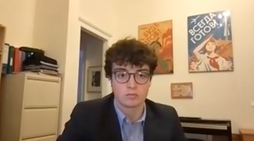
Nicholas Hall. 
Q: What committee are you in and what topic are you debating?
A: “I’m Nicholas Hall, I’m one of the chairs for the Security Council and currently we are debating the situation in Afghanistan.”
Q: How do you see delegates as future problem solvers? How does MUN prepare them to be future problem solvers and leaders?
A: “I think MUN gives delegates the chance to explore these issues in a context where they are not only representing the opinions that are fed to them by their communities, but they are having to make an effort to reach out and learn about the positions held by different countries while opposing other countries’ views. In this way they can learn different perspectives  and they can resolve differences at a policy level which is something we rarely do as students.”

Agnese Pazzi & Aleksander Cesana ​

0 Comments


Leave a Reply.

    Categories

    All

    RSS Feed

Powered by Create your own unique website with customizable templates.
  • Home
  • Articles
    • Committee Topics
    • Interview
    • non-committee articles
  • Photography
    • Videos
  • About us